

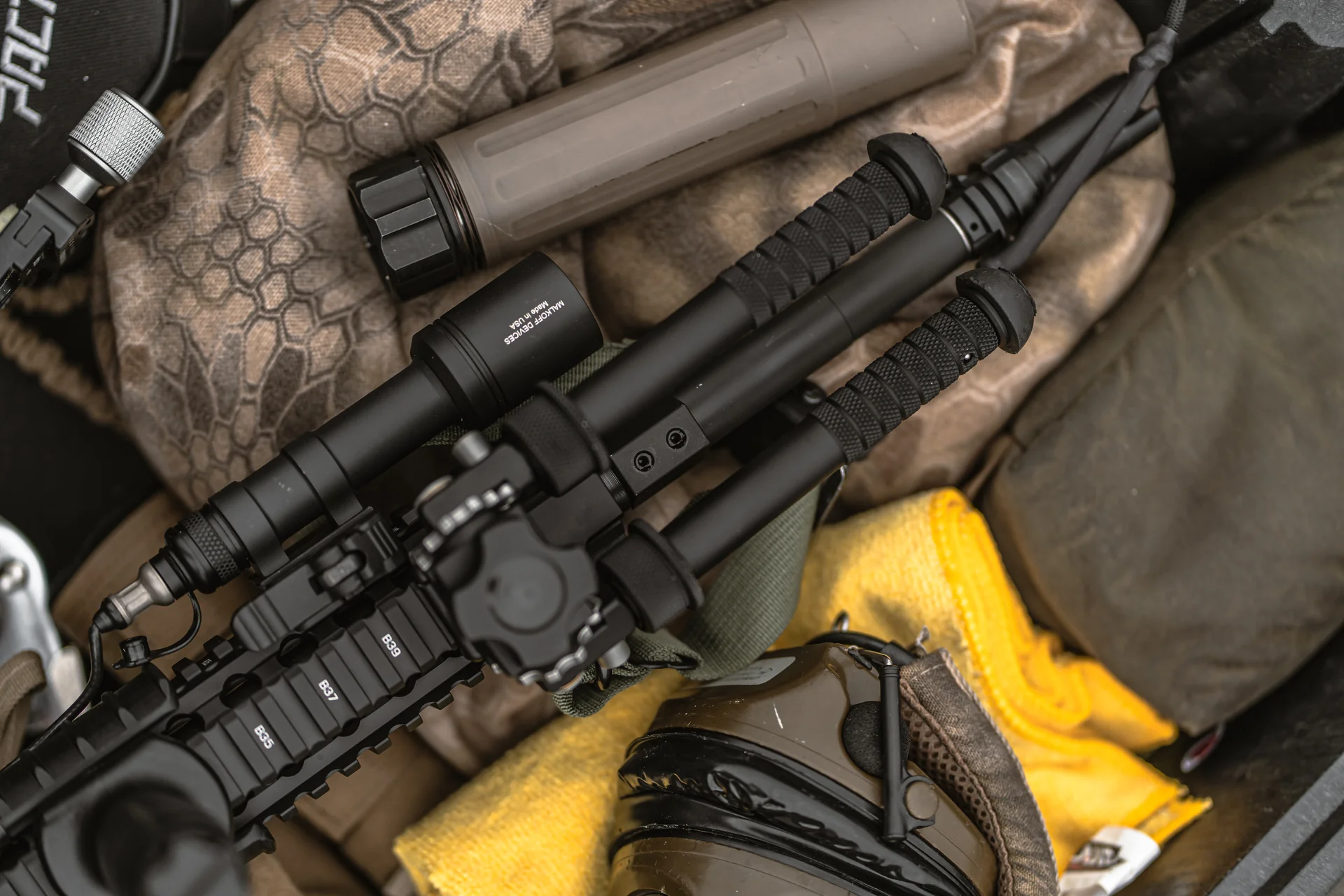
How to Clean an Atlas Bipod
Cleaning an Atlas bipod is simple: knock off grit and debris, wipe the legs and joints, use minimal lubrication where the manufacturer recommends it, and avoid over-oiling, which attracts dust. Because Atlas bipods are American-made from hardened materials, they do not need much maintenance, but keeping the legs and pivot free of sand and grit keeps them deploying and locking smoothly. Watch the video for the walkthrough, then follow the written care guide.
A bipod lives in the dirt, so a little routine care goes a long way toward keeping it feeling new. This guide covers when to clean, how to clean the legs and mechanisms without harming the finish, how much lubrication to use, and the mistakes to avoid. The Atlas lifetime warranty has you covered for defects, but basic cleaning is the owner’s job and takes only a few minutes.
Watch: How to clean an Atlas bipod
The video demonstrates the cleaning process on an Atlas bipod: clearing grit, wiping the legs and joints, and light lubrication. Follow along with your bipod and a clean cloth.
The written care guide below covers the same steps so you can reference it any time.
When should you clean your bipod?
Clean your Atlas whenever it has been in sand, mud, snow, or dust, and periodically as part of your rifle maintenance. You do not need a schedule so much as a habit: if it feels gritty or the legs do not deploy smoothly, it is time.
The goal is grit-free movement: sand and fine grit are what make a bipod feel rough or sticky, so clearing them out keeps the legs and pivot operating the way they should.
How do you clean the legs and mechanisms?
Cleaning an Atlas is mostly about removing debris without forcing grit deeper into the joints. The general process is below; the video shows the details for your model.
• Knock off loose dirt and brush away grit from the legs, feet, and pivot with a dry brush.
• Wipe the legs and joints with a clean, dry or lightly dampened cloth; avoid harsh solvents that can affect the finish.
• Work the legs and adjustments through their range to free trapped grit, brushing as you go.
• Apply minimal lubrication only where the manufacturer recommends, then wipe off any excess.
What cleaning mistakes should you avoid?
Most bipod cleaning problems come from doing too much, not too little. A few habits keep your Atlas working without creating new issues.
Avoid these common mistakes and your bipod will stay smooth and reliable.
- Over-lubricating: excess oil attracts sand and grit, which is the opposite of what you want. Use minimal lubrication.
- Harsh solvents: aggressive chemicals can affect the anodized finish; stick to mild cleaning.
- Forcing grit deeper: brush debris away rather than sliding gritty legs, which can grind particles into the joint.
- Ignoring the feet: clean and check the feet, since packed dirt there affects grip and stability.
Frequently Asked Questions
How do you clean an Atlas bipod?
Brush off grit and debris from the legs, feet, and pivot, wipe with a clean, dry or lightly dampened cloth, work the legs through their range to free trapped grit, then apply minimal lubrication only where recommended and wipe off excess. Avoid harsh solvents and over-oiling.
How often should I clean my bipod?
Clean it whenever it has been in sand, mud, snow, or dust, and periodically with your rifle maintenance. There is no strict schedule; if the bipod feels gritty or the legs do not deploy smoothly, clean it. Grit is what makes a bipod feel rough.
Should I lubricate my Atlas bipod?
Only minimally, and only where the manufacturer recommends. Over-lubricating attracts sand and grit, which makes the bipod feel worse, not better. A light touch where needed, with excess wiped off, is the right approach for a bipod that lives in the field.
Can I use solvents to clean my bipod?
Stick to mild cleaning. Harsh solvents can affect the anodized finish, so brush off grit and wipe with a clean, dry or lightly dampened cloth rather than aggressive chemicals. The goal is to remove debris without harming the finish or forcing grit into the joints.
Does cleaning affect the Atlas warranty?
Basic cleaning is normal owner maintenance and is your responsibility; the lifetime warranty covers manufacturing defects, not routine care. Keeping your Atlas free of grit helps it work smoothly for years. If something fails despite proper care, contact B&T about the warranty.
Keep your Atlas running smooth
A few minutes of grit removal and light care keeps your Atlas deploying and locking like new. Clean it after dirty trips, lube minimally, and avoid harsh solvents.
Need parts or accessories? Browse Atlas bipod accessories, or see the Atlas lineup.
* * *