

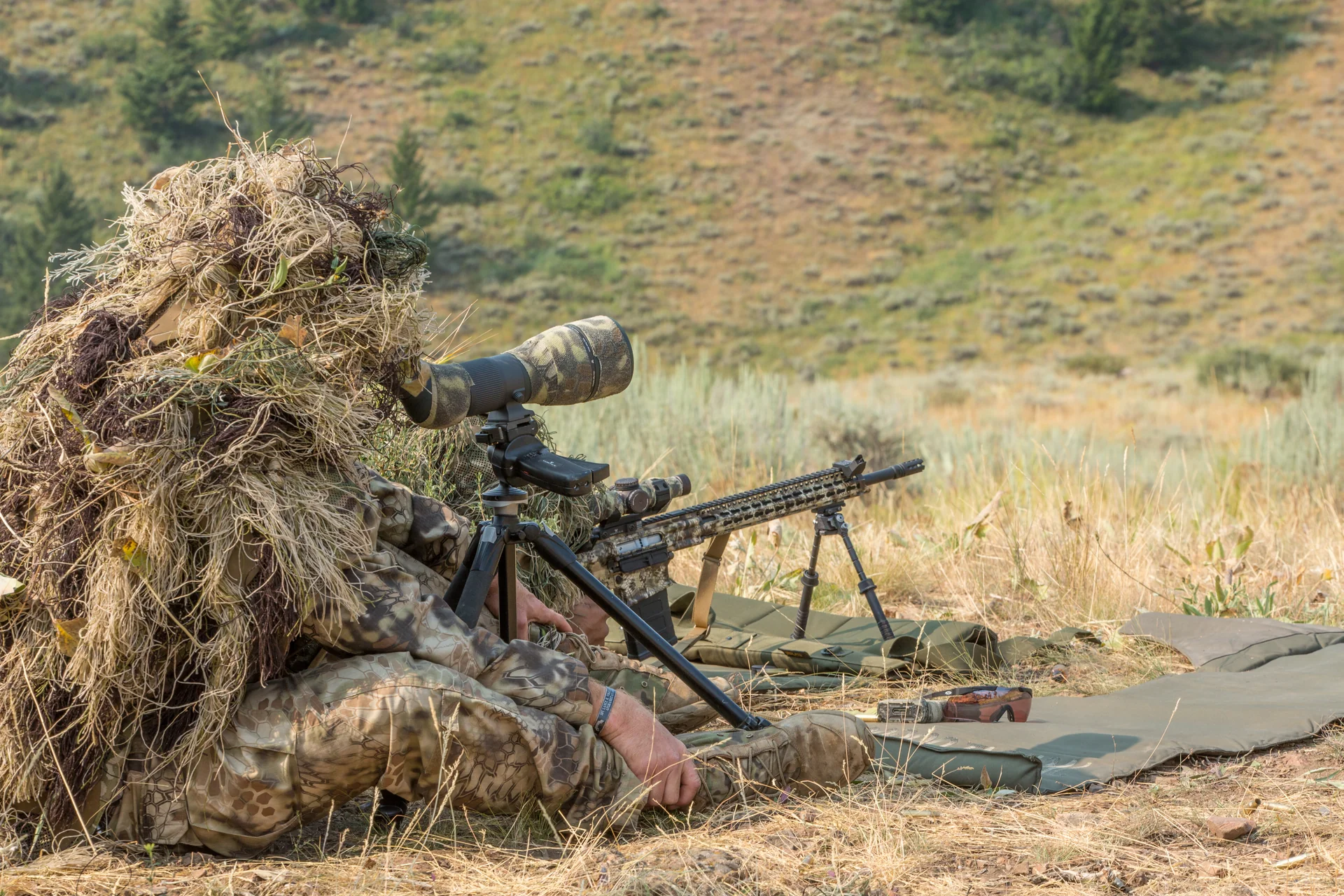
Atlas Bipod Uses and Application: Getting the Most From Your Bipod
An Atlas bipod is used to give the front of your rifle a stable, repeatable platform, whether you are shooting prone at the range, off a bench, over a barricade, or in the field. Its real value comes from loading the bipod, using pan and cant to adapt to the ground and the target, and matching your position to the shot. This overview and video show the main uses and applications so you get the most from your bipod.
A bipod is more versatile than most shooters realize, and how you use it matters as much as which one you own. Watch the video below for the applications in action, then read the written breakdown of positions, features, and technique. For the full loading and setup technique, follow the link to the dedicated how-to guide.
Watch: Atlas bipod uses and application
The video walks through common shooting positions and how the Atlas features (leg positions, cant, pan, loading) adapt the rifle to each one. Follow along to see the applications in action.
The written breakdown below covers the same ground so you can reference it any time.
What is an Atlas bipod used for?
At its core, a bipod supports the front of the rifle so you can shoot more accurately and hold on target longer. The Atlas adds adjustability that lets one bipod work across many situations.
The main uses: steadying prone and field shots, holding a repeatable point of aim, sighting in, and taking longer or more deliberate shots than an unsupported hold allows.
- Steady prone and field shooting: a stable base that tightens groups.
- Repeatable point of aim: with loading, the rifle returns to the same aim point.
- Sighting in: a consistent front support to confirm zero.
- Longer and more deliberate shots: hold steady while you read wind or wait for the shot.
How do you match the bipod to your position?
Different positions call for different bipod settings, and the Atlas adjusts to each. The general applications are below; the video demonstrates them.
The transcript-derived detail from the video will be added here so each position and setting is described exactly as shown.
- Prone: lowest practical height, legs set for a stable base; the steadiest position.
- Bench: a height matched to your bench and rest.
- Barricade or seated: taller legs or articulation; use cant to level on uneven surfaces.
- Positional: use pan to track between targets without breaking position.
Video transcript detail (to be added)
WRITER NOTE (delete before publish): insert the transcript-derived application detail from the video here (the positions and settings demonstrated). Keep aligned with the bullets above.
How do you load the bipod for best results?
The single most important technique for any bipod application is loading it. You drive the rifle forward into the legs so they hold tension, and under recoil the loaded legs push the rifle back to the same point of aim.
Loading is what turns a bipod from a rest into an accuracy tool, and it applies in every position. For the full step-by-step technique, including setup, hold, and follow-through, see the dedicated how-to-use-a-rifle-bipod guide.
Frequently Asked Questions
What is an Atlas bipod used for?
It supports the front of the rifle for steadier, more repeatable shooting, prone, on a bench, over a barricade, or in the field. The Atlas adds leg positions, cant, pan, and loading so one bipod adapts to many positions, from sighting in to long, deliberate shots.
What are the main uses of a rifle bipod?
Steadying prone and field shots, holding a repeatable point of aim, sighting in, and taking longer or more deliberate shots than an unsupported hold allows. A bipod removes wobble so your fundamentals show through, which tightens groups across all of these uses.
How do you use a bipod in different positions?
Prone uses the lowest practical height for stability; a bench uses a height matched to your rest; barricades and seated positions use taller legs or articulation with cant to level on uneven surfaces; positional shooting uses pan to track between targets.
What is loading a bipod?
Loading means driving the rifle forward into the legs so they hold tension. Under recoil the loaded legs push the rifle back to the same point of aim, which makes recoil repeatable and tightens groups. It is the most important technique in every bipod application.
Does an Atlas bipod work for hunting and the range?
Yes. The Atlas adjusts across uses, so the same bipod steadies a field hunting shot and a prone range group. Choose the model for your emphasis: the 5-H and V8 for field and all-round use, the PSR for positional precision, the CAL for extreme long range.
Get more from your bipod
Match the bipod to your position, use cant and pan to adapt, and load it in every application. That is how a bipod becomes an accuracy tool.
Learn the full loading and setup technique in the how-to-use-a-rifle-bipod guide, or browse the Atlas lineup.
* * *