
Buyer Guide
How to Choose the Best Rifle Bipod
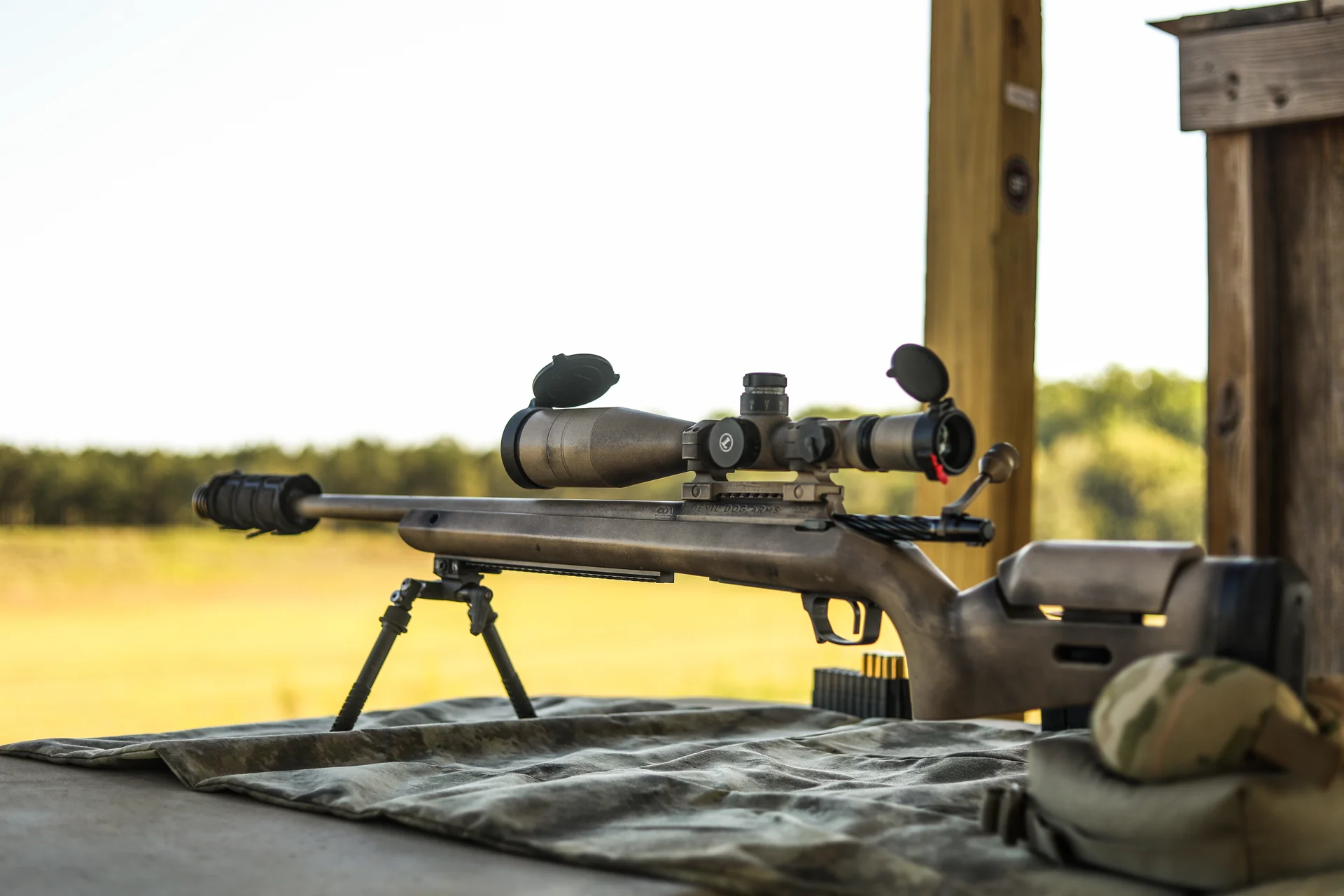
The best rifle bipod is the one that fits your rifle’s mounting system, holds its position under recoil, and matches how you actually shoot. There is no single right answer for everyone: a 9-ounce hunting setup and a 1,000-yard competition rig need different tools. This guide walks you through the four things that actually matter, shows you how to match a bipod to your rifle and your use, and points you to the right American-made Atlas model. Every Atlas bipod is machined in the USA and backed by a lifetime warranty.
The four things that actually matter in a bipod
Most buying confusion comes from focusing on the wrong things. Color, brand hype, and price tell you almost nothing about whether a bipod will work for you. These four factors do.
Mounting fit The bipod has to attach to your rifle. This is pass or fail, and it is the single most common reason a bipod gets returned. Your rifle has one of four interfaces: a Picatinny rail, an M-LOK slot, an ARCA dovetail, or sling studs. Match this first.
Repeatability under recoil A good bipod returns to the same point of aim shot after shot and holds its leg and height adjustments when the rifle recoils. This is what separates a precision tool from a wobbly accessory.
Height range A prone shooter in a wheat field needs a different height than someone shooting off a bench or sitting against a tree. Pick a height range that covers how you shoot most often.
Weight Ounces matter on a mountain hunt and matter less on a benchrest. Decide how much you will carry the rifle before you decide how light the bipod must be.
Match your rifle and mount first (Picatinny, M-LOK, ARCA, sling stud)
Before you compare models, identify how your rifle accepts accessories. This single step prevents the most common buying mistake. Here is what each interface means and how an Atlas attaches to it.
Picatinny rail The most common interface on precision and tactical rifles. Atlas bipods clamp directly to Picatinny. If your rifle has a rail under the forend, you are ready to mount.
M-LOK Common on AR-15, AR-10, and modern chassis handguards. Use a direct-mount Atlas M-LOK bipod or the BT70 M-LOK adapter to attach a standard Atlas.
ARCA dovetail Growing fast in precision and PRS. Atlas works with ARCA through clamps like the Area 419 ArcaLock and the RRS SOAR BTC-Pro.
Sling studs Most hunting and traditional bolt rifles have sling studs, not a rail. The BT81 Lil Brandi adapter converts a front sling stud to a Picatinny rail so any Atlas bolts right on. No gunsmith required.
Best Atlas bipod by use case
Once you know your mount, match the bipod to how you shoot. Here is the short version. Each links to the full lineup so you can confirm the exact configuration.
New to bipods or want one that does everything The V8 (BT10) series is the versatile flagship. Five leg positions, rugged, and the default pick for most shooters.
Hunting Prioritize weight, quick-detach, and terrain adaptability. The 5-H series and a BT81 stud adapter cover most hunting rifles.
AR-15 or AR-10 Check your handguard for M-LOK or Picatinny, then choose a direct-mount M-LOK bipod or a Picatinny Atlas with the BT70 adapter.
Long range, PRS, or NRL The PSR series adds pan and cant for positional stages; the CAL series removes pan intentionally for repeatable extreme-long-range precision.
Rear support too Pair any bipod with an Accu-Shot monopod for a stable front-and-rear platform.
Why pay more than a cheap online bipod
A $40 bipod and a quality bipod look similar in a photo. The difference shows up the first time you load it, drop it, or shoot a group. Cheap bipods tend to fail in predictable ways: legs that will not lock, adjustments that slip under recoil, and clamps that loosen on the rail. The result is wasted range trips and, worse, a missed shot on an animal or a stage.
Buy once, cry once. An Atlas is machined from quality materials in the USA, adopted under military NSNs, and backed by a lifetime warranty. If it ever breaks, a real team in Kansas makes it right. That is why owners describe it as the last bipod they buy.
Quick-detach (QD) and swivel bipods
If you mount and remove your bipod often, a quick-detach bipod saves time and protects zero. Atlas LW17 models use the ADM-170-S lever to lock onto a Picatinny rail and release by hand in seconds with no tools, and ARCA clamps give the same fast lock-and-slide on a dovetail. QD is ideal for hunters who stow the bipod while hiking and competitors who reconfigure between stages. A swivel (pan-and-cant) bipod, an Atlas hallmark, also lets you level the rifle on uneven ground without repositioning the feet, which is what separates a true tactical bipod from a cheap fixed one.
Keep Reading
Related Guides
Common Questions
Have a question this guide did not cover? The answers below tackle how the options compare, which option to choose, and what fits your rifle, the points readers ask about most.
Frequently Asked Questions
What is the best rifle bipod?
The best rifle bipod fits your mount, holds zero under recoil, and matches your use. For most shooters the Atlas V8 series is the versatile default; hunters prioritize lightweight quick-detach models, and precision shooters choose the PSR or CAL series.
Do I really need a bipod?
If you shoot prone, from a bench, or want steadier field shots, a bipod measurably improves stability and consistency. It removes wobble so a miss is on you, not the gear. Hunters use them for ethical, accurate shots; competitors rely on them for repeatability.
What height bipod do I need?
Match the height to your most common position. Prone shooting needs a lower range; sitting against a tree or shooting off a bench needs more height. Adjustable-leg Atlas models cover several positions so one bipod handles multiple scenarios.
What is loading a bipod?
Loading means applying slight forward pressure into the bipod legs so they preload under tension before the shot. This stabilizes the rifle and improves return to zero. Quality bipods hold that preload through recoil; cheap ones collapse or shift.
Picatinny, M-LOK, or ARCA: which mount do I need?
It depends on your rifle. Picatinny rails and M-LOK handguards are most common; ARCA is growing in precision shooting. Atlas works with all three, plus sling studs via the BT81 adapter. Identify your interface before choosing a model.
Are expensive bipods worth it?
Yes, if you value repeatability and reliability. Quality bipods hold adjustments under recoil and last decades; cheap ones slip and break. An Atlas is American-made and carries a lifetime warranty, so it is a one-time purchase across many rifles.
What is the difference between pan and cant?
Cant tilts the rifle side to side to level it on uneven ground. Pan swings the rifle left and right to track or transition between targets. The PSR series offers both; the CAL series removes pan for maximum stability at extreme range.
Can I put a bipod on any rifle?
Almost always, yes. Rifles with a Picatinny rail, M-LOK, or ARCA accept an Atlas directly. Rifles with only sling studs use the BT81 Lil Brandi adapter to add a Picatinny rail, so no gunsmithing is needed.
What bipod do hunters use versus competition shooters?
Hunters favor lighter, quick-detach bipods that handle uneven terrain. Competition shooters favor the PSR or CAL series for pan, cant, and repeatable loading. Both groups choose Atlas for the same reason: it holds up and holds zero.
Are Atlas bipods made in the USA?
Yes. Atlas bipods and Accu-Shot monopods are machined and assembled in the USA by B&T Industries, adopted under military NSNs, and backed by a lifetime warranty.
Find your Atlas bipod
Ready to choose? Shop the full Atlas lineup by rifle and use case, or start with the versatile V8 series that fits most shooters. Still deciding between models? Compare Atlas options side by side, and reach out to our team in Kansas if you want a recommendation for your exact rifle.