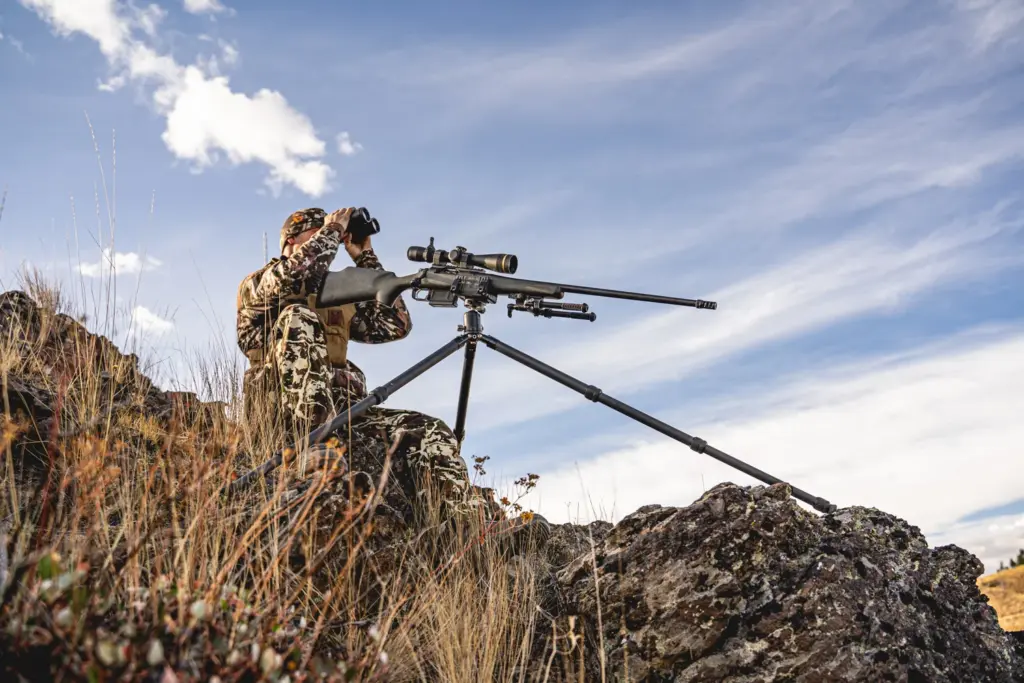
Bipod vs Monopod vs Tripod: What Each Does for Your Rifle
A bipod supports the front, a monopod the rear, a tripod the whole rifle. See what each does, why a bipod-plus-monopod covers most shooting, and where a tripod fits.


If you are new to rifle support gear, this is the place to start. These guides explain what a bipod and monopod actually do, whether you need one for how you shoot, and the terms that trip up new shooters, like cant, pan, and the difference between a bipod, a monopod, and a tripod. No jargon without a plain-language definition, and no pressure to buy more than you need. The goal is to help you understand the category so you can make a confident, informed decision.
These guides cover the fundamentals every rifle shooter should know before choosing support gear.
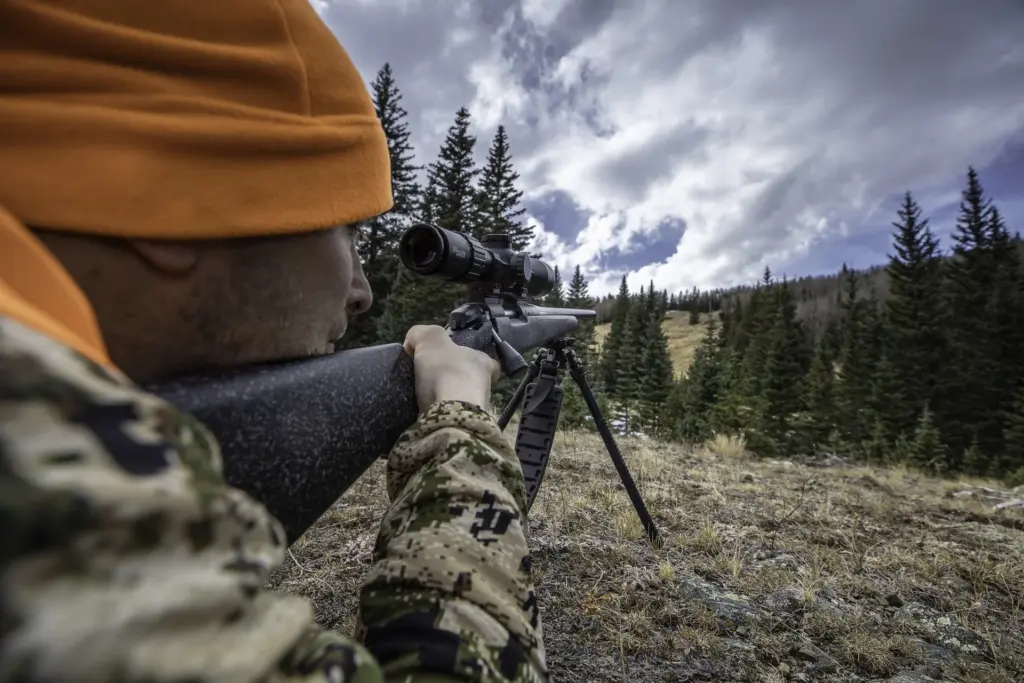
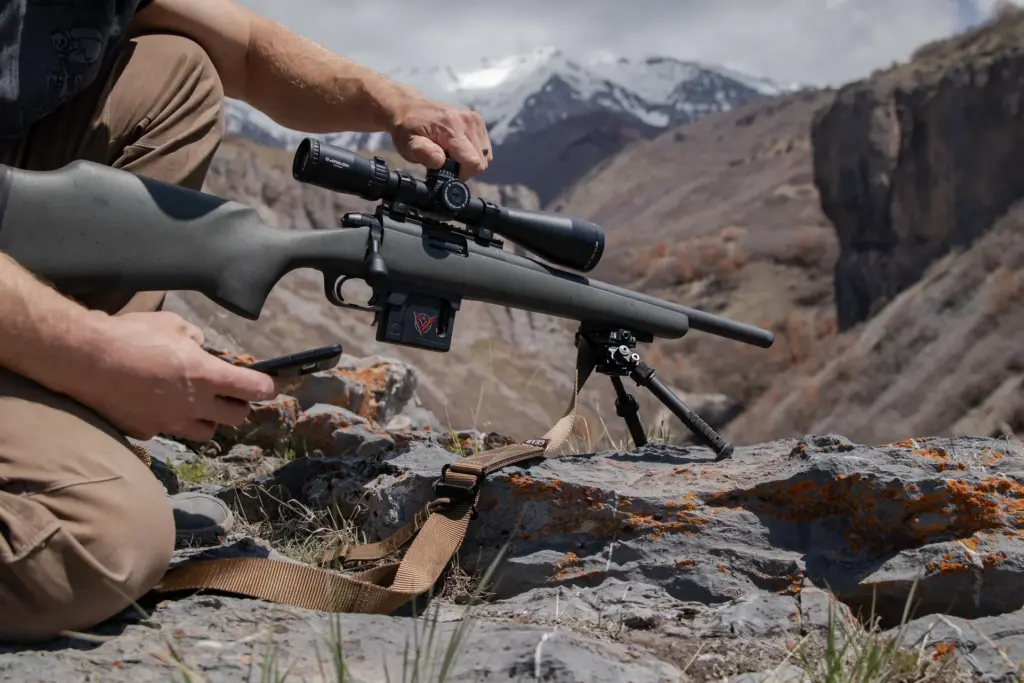
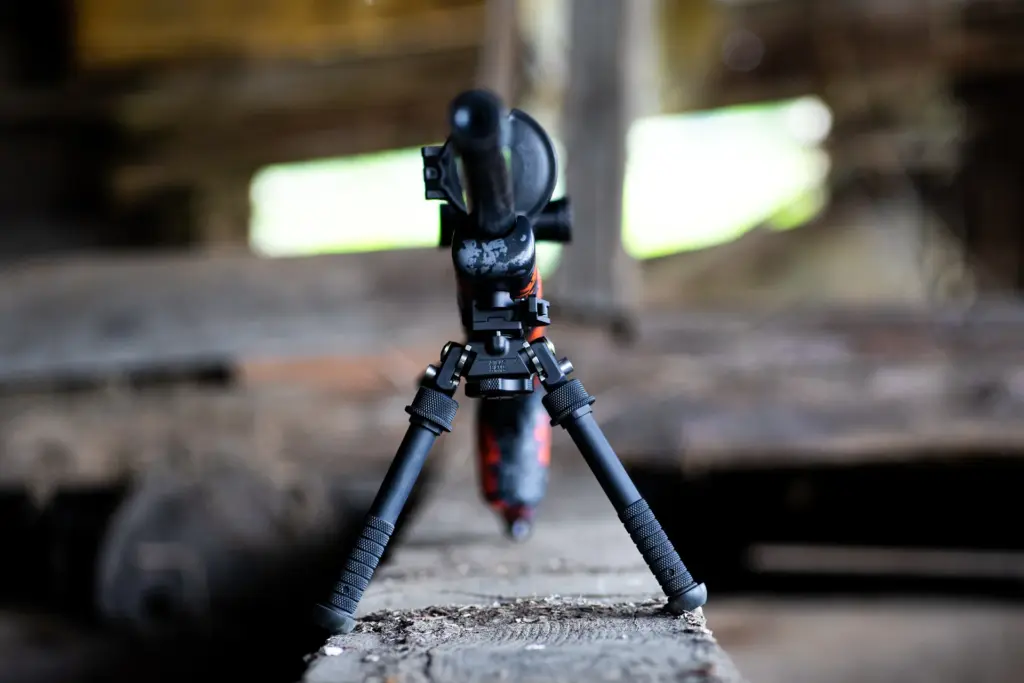
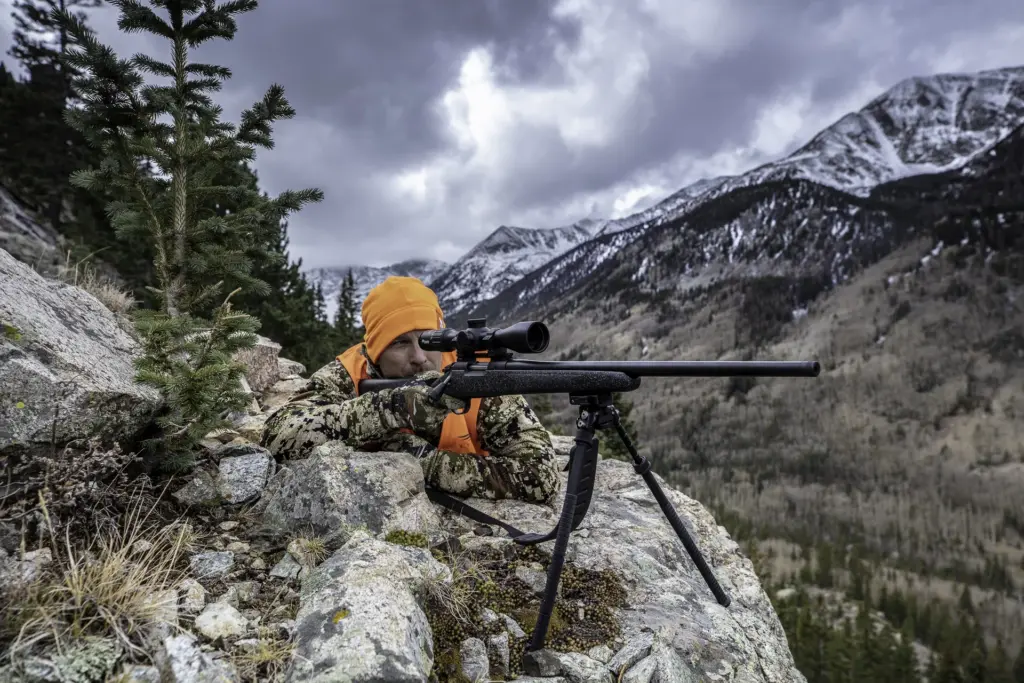
A bipod supports the front, a monopod the rear, a tripod the whole rifle. See what each does, why a bipod-plus-monopod covers most shooting, and where a tripod fits.
You do not strictly need a bipod, but for prone, bench, and distance shooting it is the cheapest accuracy upgrade. See when you need one and what to do with no rail.
Cant lets you tilt a rifle level on uneven ground so your reticle stays plumb and elevation tracks true. See how cant differs from pan and how Atlas locks it.
Choosing a rifle bipod? Look for mount fit, locking adjustments, the right height, the features you use (cant vs pan), and a durable, warrantied build.
Use a rifle bipod to shoot more accurately, more consistently, and steadier for longer. See the concrete benefits and who gains the most, from hunters to new shooters.
You do not strictly need one, but for most rifles used past close range a bipod is the cheapest way to shoot more accurately. It steadies the front of the rifle so groups tighten and your zero holds. If you shoot prone, from a bench, or at distance, it earns its place.
Cant tilts the rifle side to side to level it on uneven ground, which almost everyone wants. Pan swings the rifle to track between targets, which matters for positional and PRS shooting. The Atlas CAL keeps cant but removes pan for extreme-long-range stability.
A bipod supports the front of the rifle, a monopod supports the rear under the buttstock, and a tripod supports the whole rifle from a freestanding platform. Bipods and monopods pair as a front-and-rear system; a tripod is a different tool for standing and seated positions.
Ready to go deeper? The Beginner Rifle Bipod Guide is the best next step from this category.
Browse the featured guides above, or read on for the full list of posts.
* * *