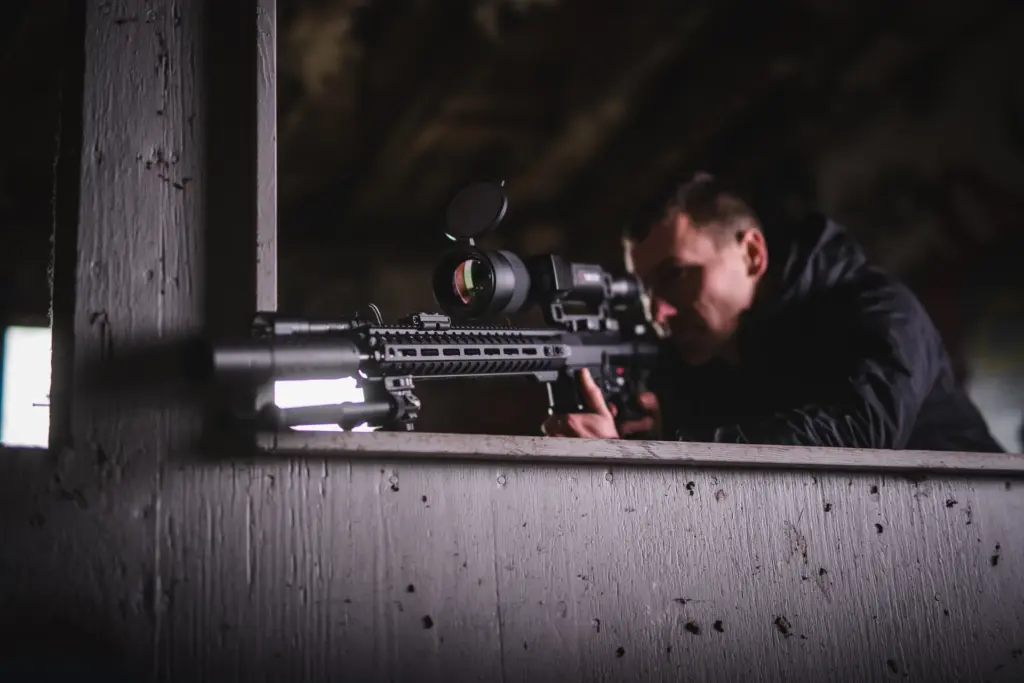
What Is the Best Height for Rifle Bipods?
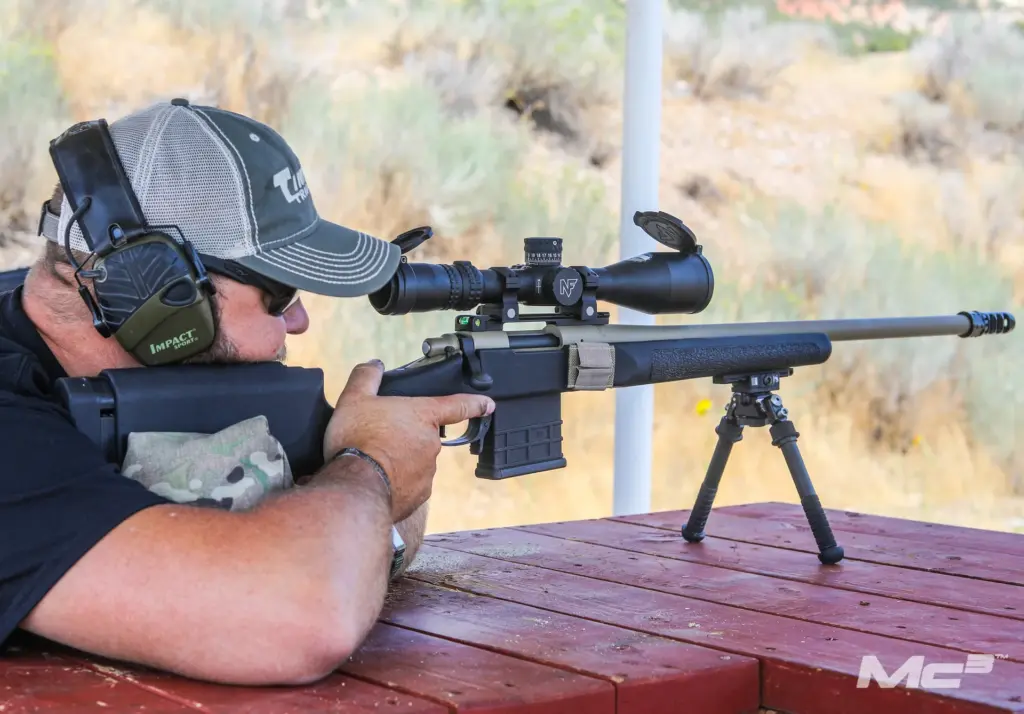
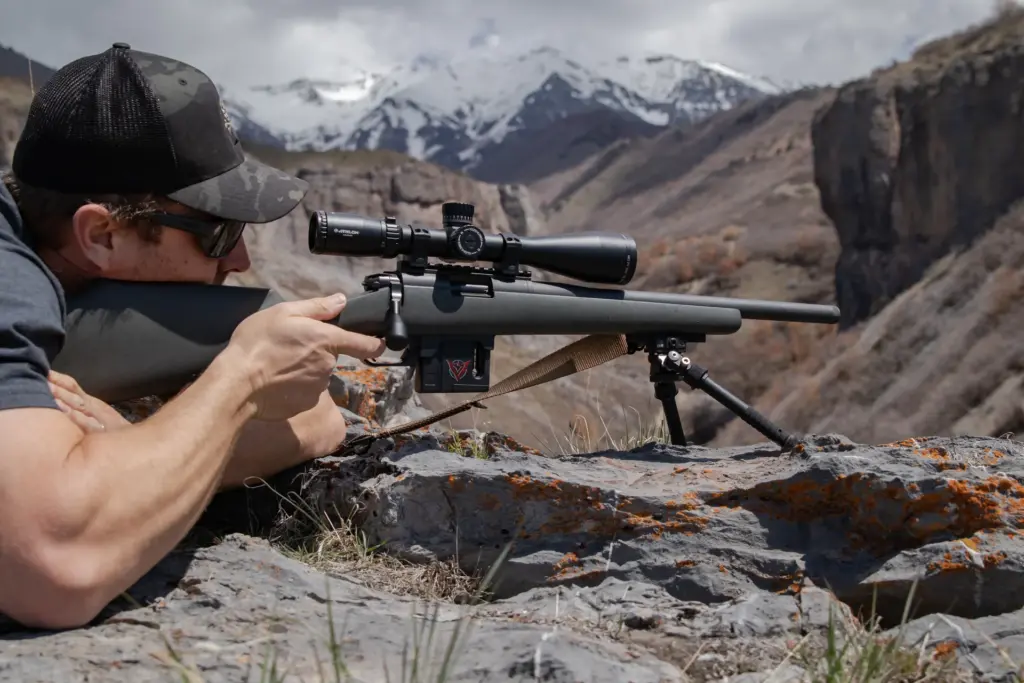
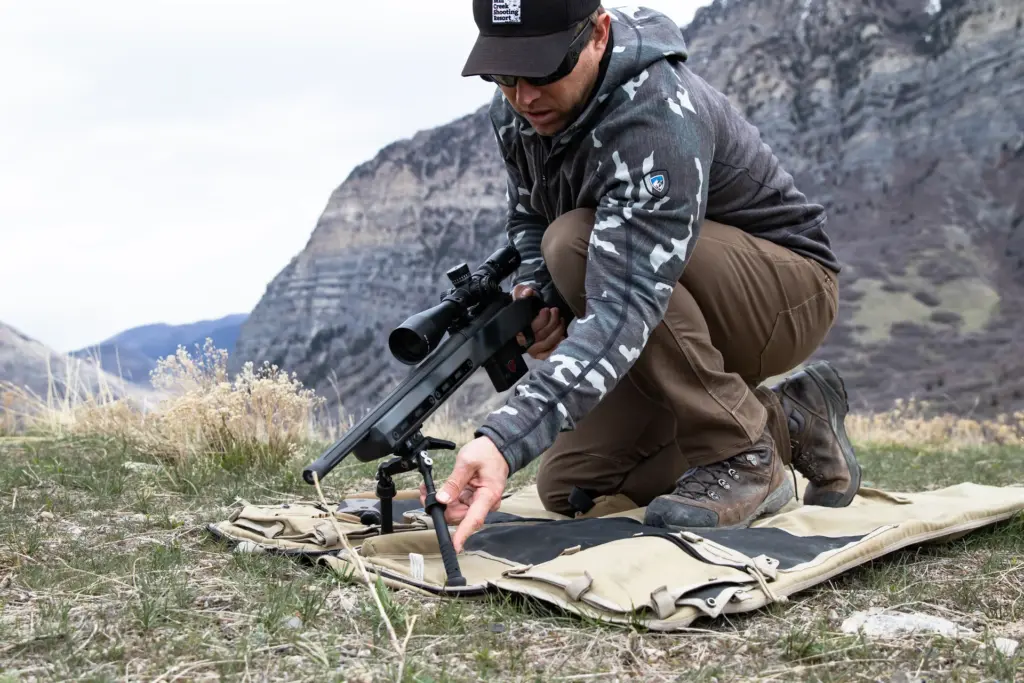
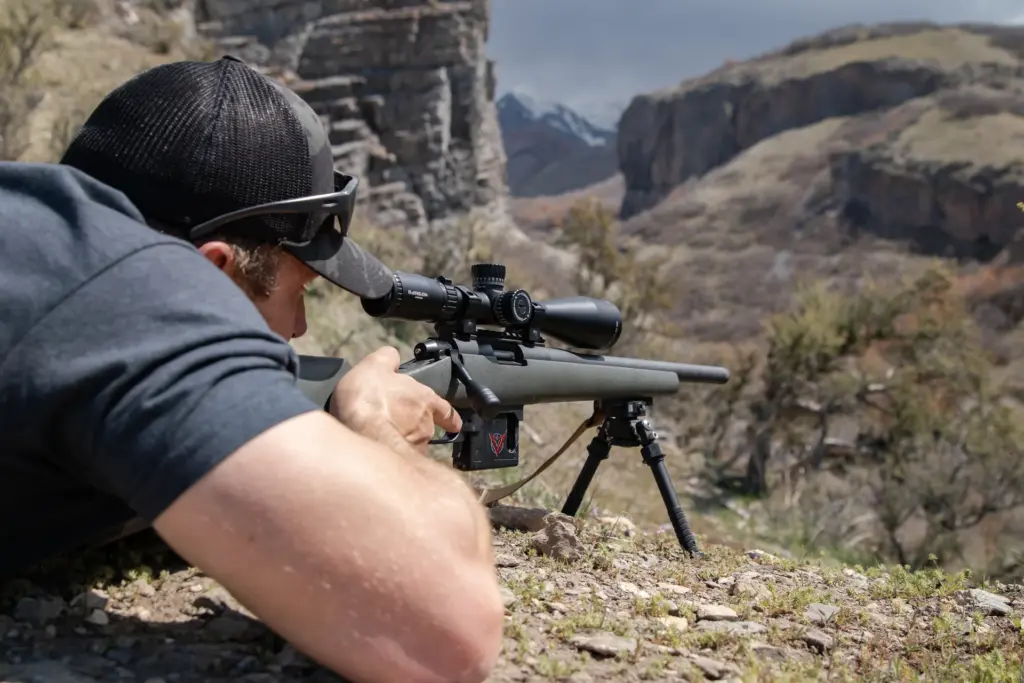
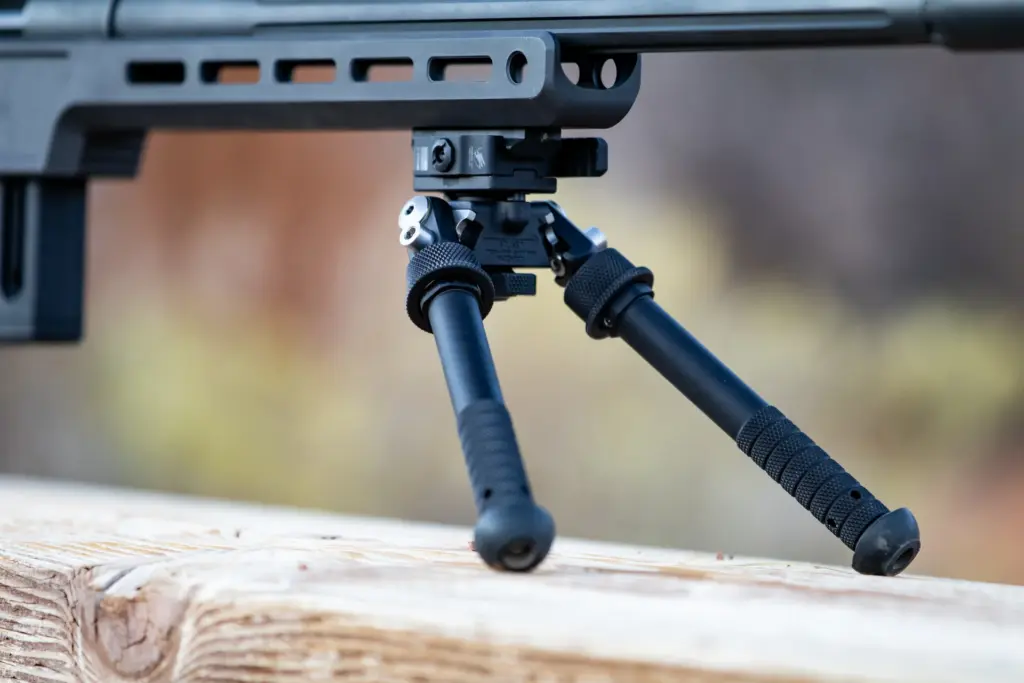
The best rifle bipod height is the lowest that clears what you shoot over. Match position to height, choose adjustable legs, and pick the right Atlas.


Owning a good bipod is only half of it; using it well is the rest. These guides cover the technique and setup that turn a bipod from a rest into an accuracy tool: loading the legs, running a rear monopod, choosing the right height, and understanding how shooting off a rest affects your zero. Master the fundamentals here and your groups will tell you it worked. Each guide is written to be practical at the range or in the field, not just in theory.
These guides cover the technique and setup decisions that determine how well your bipod and monopod perform.
The best rifle bipod height is the lowest that clears what you shoot over. Match position to height, choose adjustable legs, and pick the right Atlas.
The best rifle monopod height matches your loaded bipod with fine travel left to adjust. Size by position and rifle, prioritize a solid lock, and measure it right.
A bipod affects accuracy in your favor when used consistently. See whether to sight in off a bipod, why point of impact shifts between rests, and how loading holds zero.
A monopod improves accuracy when it locks solid and you zero the way you shoot. See how it affects accuracy, how to sight in, and why rear-leg creep is the thing to watch.
Use a rifle bipod well by getting inline, loading the legs, supporting the rear, and following through. Learn the loading technique that tightens your groups.
Use a rifle monopod by loading the front bipod, dialing rear elevation by knob, and following through. Learn the bipod-plus-monopod rear support technique.
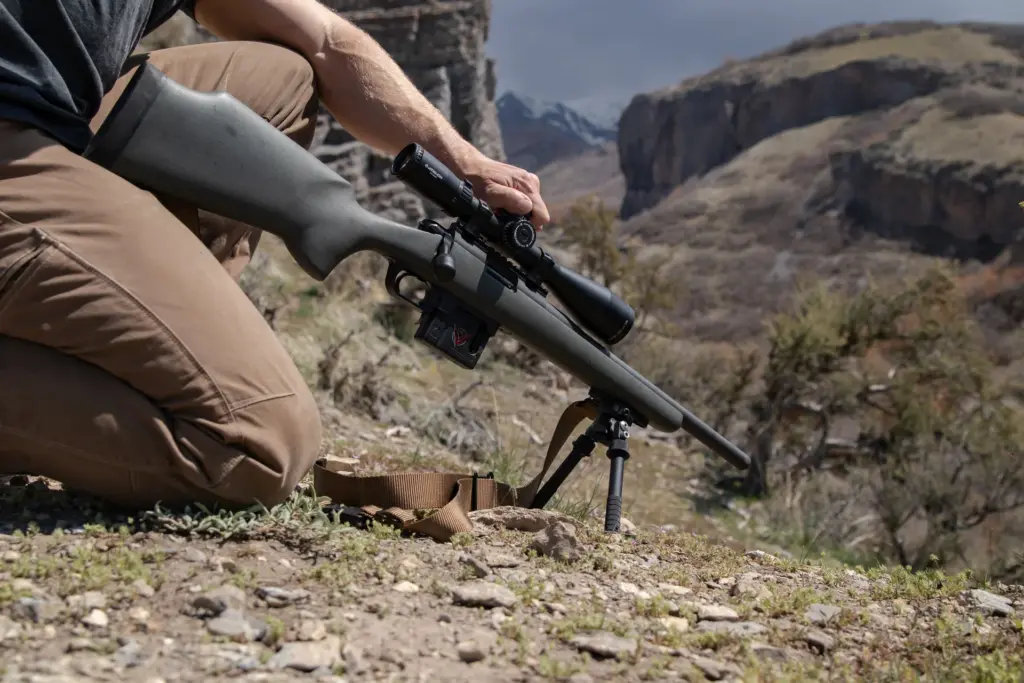
Mount a bipod on the fore-end, as far forward as balance allows, and never on the barrel. See why forward is steadier and how to balance the rifle.
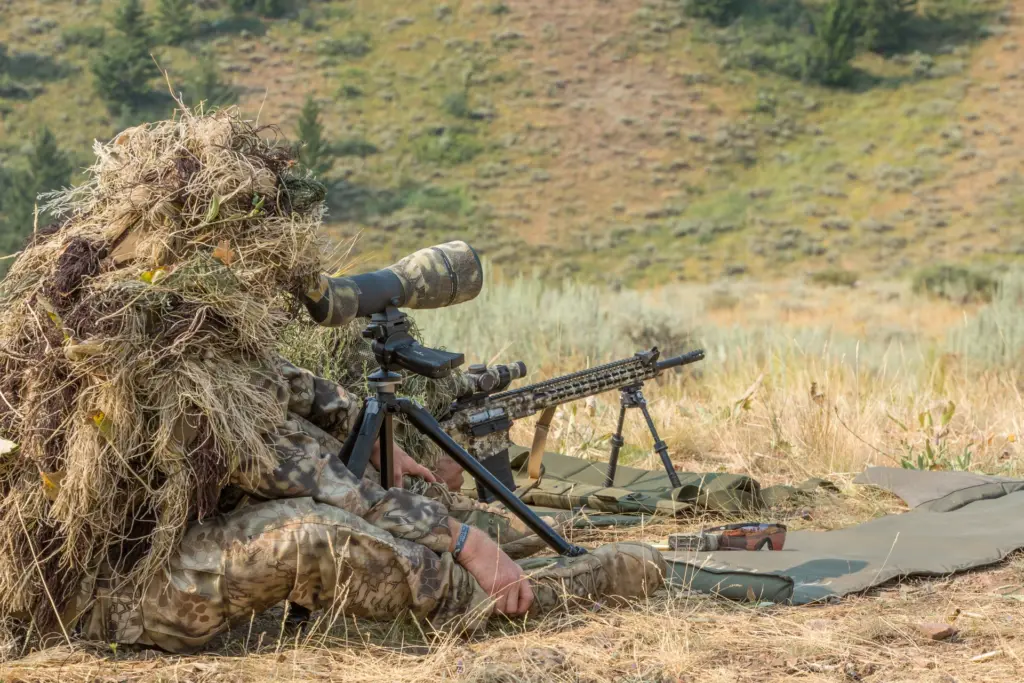
Competitive shooting sports like the Precision Rifle Series (PRS) and National Rifle League (NRL) have introduced many shooters to long range shooting. But let’s be clear. Shooting and hunting are not the same. Competing in Precision Rifle Series (PRS) matches or practicing long-range steel is great — it builds skills. But when you’re hunting, it’s …
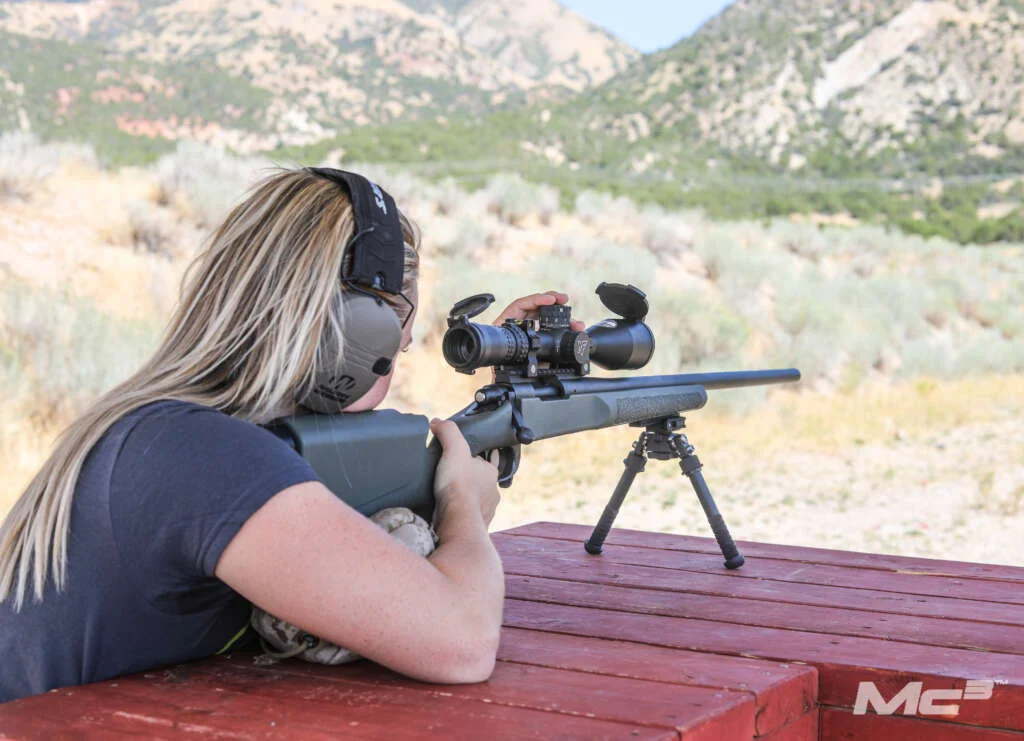
An Atlas bipod steadies prone, bench, barricade, and field shots. See the main uses, how to match settings to your position, and why loading matters. Watch the video.
Loading, or preloading, means driving the rifle forward into the bipod legs so they hold tension. Under recoil the loaded legs push the rifle back to the same point of aim, which makes recoil repeatable and tightens your groups. It is the single most important bipod technique.
The best height is the lowest one that still clears what you shoot over. Lower is more stable, so a short bipod wins for prone; go taller only for benches, barricades, or tall grass. An adjustable Atlas covers most positions with one bipod.
Yes, usually for the better. A quality bipod removes wobble and gives a repeatable base, which tightens groups. It only hurts if it is loose or loaded inconsistently. Zero the rifle the same way you shoot it, and load the bipod, and your point of impact stays put.
Ready to go deeper? The Best Rifle Bipod Guide is the best next step from this category.
Browse the featured guides above, or read on for the full list of posts.
* * *